Innovative Fishing Gear Trends You Need to Know About in 2026
In 2026, the angling environment is prepared for revolution with the introduction of modern gear. Smart fishing poles will incorporate sensors for instant data, while AI-powered fish detection systems deliver enhanced visual capabilities. Sustainable materials are establishing themselves as the standard, blending innovation with sustainability. As these trends surface, anglers will experience moving through a modern period of sport fishing. What implications could these advancements mean for both dedicated anglers and the ecosystem?
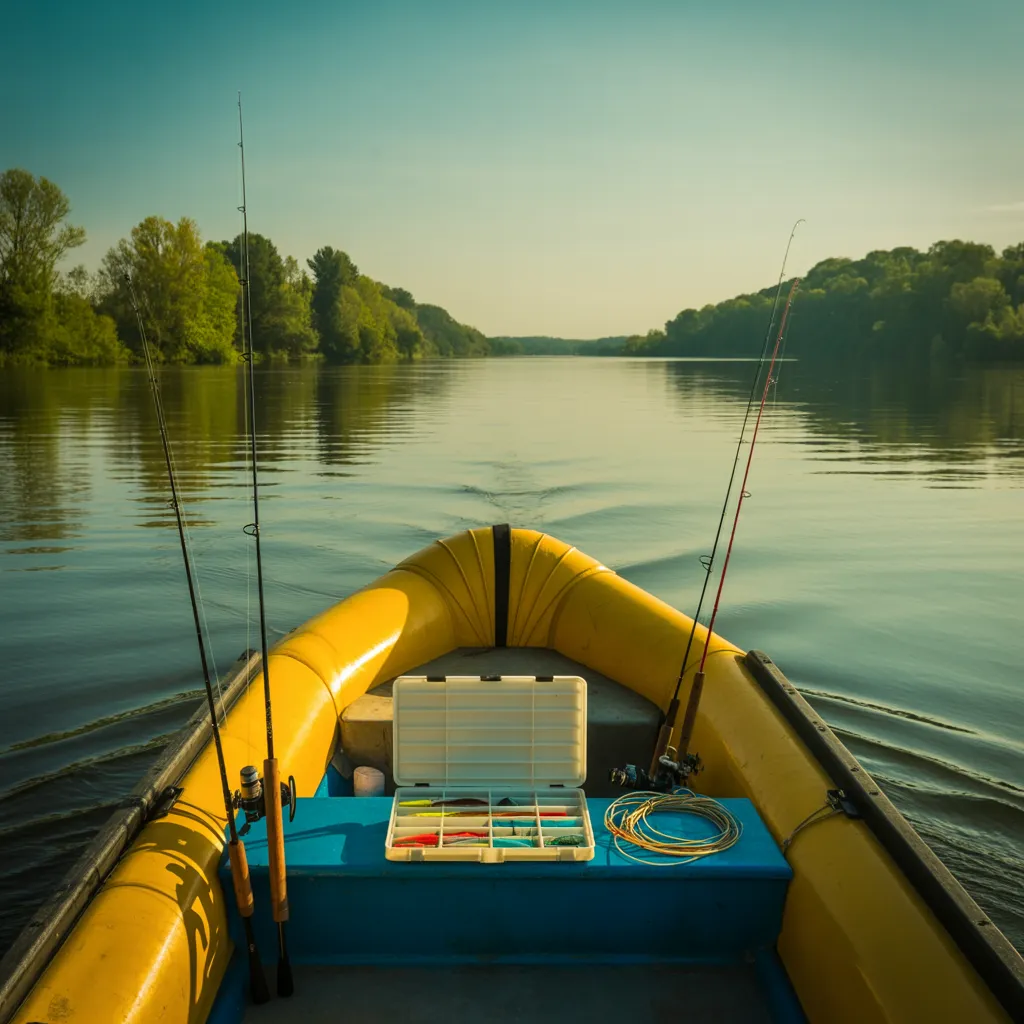
The Ascent of Modern Fishing Technology
Given ongoing technological progress, the fishing industry is seeing the emergence of smart fishing rods that enhance the fishing pastime. These advanced implements weave together sensors and connectivity features, allowing anglers to monitor various parameters in live feed. Smart rods can document casting distance, detect bites, and even offer feedback on technique, keeping fishing more engaging and efficient.
Additionally, multiple items are equipped with smartphone apps that collect data, permitting users to examine their performance and refine their approaches. This blend of technology not only appeals to veteran fishermen but also draws newcomers seeking a more interactive encounter. As intelligent fishing rods rise in popularity, makers are focusing on improving durability and accessibility, ensuring they can resist the rigors of field use. Ultimately, these advancements signify a shift in how fishing is approached, merging age-old skills with cutting-edge technology for a more educated angling experience.
What Advanced Technologies Do Fish Finders Include?
While longstanding fish finders have remained indispensable tools for anglers, recent advances are transforming the technology into more sophisticated devices that enhance the fishing experience. The latest models now feature capabilities including high-definition imaging, which delivers clearer underwater views, allowing anglers to better identify fish species. Moreover, many fish finders are including GPS mapping capabilities, enabling users to flag productive fishing spots and navigate with precision.
Wireless access is also becoming standard, facilitating real-time data sharing with smartphones or tablets. This innovation helps anglers acquire updates on environmental factors and fish activity, strengthening strategic planning. Additionally, some devices now apply artificial intelligence to analyze fishing patterns and indicate ideal times and locations for fishing. Overall, these upgrades not only boost the effectiveness of locating fish but also augment the overall fishing experience, making it more engaging and data-driven for enthusiasts.
The Evolution of Fishing Through Wearable Devices
Smart wearable devices are modifying the fishing experience by blending smart rod sensors and wearable fish finders. These innovations permit anglers to observe their catch in real-time while also monitoring their health metrics. As this technology improves, it promises to enhance both performance and safety on the water.
Intelligent Rod Sensing Equipment
Smart rod sensors are transforming the fishing experience by incorporating advanced technology into conventional equipment. These devices utilize sensors to track multiple factors, such as water view details temperature, water depth, and even the fish's activity level. By providing instant information, anglers can determine effective choices about their angling approaches, improving their likelihood of catching fish. Smart rod sensors connect seamlessly with smartphone apps, allowing users to track their catches, analyze patterns, and exchange insights with other anglers. Additionally, some models feature alerts for when a fish is biting, ensuring that no chance is missed. As fishing evolves, these innovative tools are growing increasingly important for both novice and experienced anglers, transforming the way they engage with the sport.
Personal Fish Finders you can wear to spot fish rapidly
As fishing enthusiasts look to improve their time spent fishing, wearable fish finders are becoming a breakthrough technology. These devices, typically strapped on the wrist or woven into clothing, provide live data on fish locations, water temperature, and depth. By using advanced sonar technology, they offer crucial insights directly to the angler, enabling better decision-making. Wearable fish finders also often sync with smartphones, allowing users to monitor their fishing patterns and share information with other anglers. This technology not only boosts the efficiency of fishing trips but also enhances the overall enjoyment of the sport. As demand for convenience and effectiveness rises, wearable fish finders are poised to change how anglers approach their time on the water.
Fitness Monitoring Tools
Health tracking devices are revolutionizing the fishing activity by enabling anglers to track their physical well-being while enjoying their time on the water. These wearable gadgets supply real-time data on heart rate, hydration levels, and activity tracking, allowing fishermen to optimize their health during long trips. Many devices also feature GPS functionality, assisting users in navigating unfamiliar waters while keeping an eye on their physical exertion. As anglers spend hours casting lines, being mindful of their body’s signals can prevent fatigue and boost overall performance. Additionally, some health trackers offer integration with fishing apps, delivering insights into how physical activity correlates with fishing success. This combination of health monitoring and fishing is creating a more comprehensive approach to the outdoor experience.
Sustainable Fishing Equipment Materials designed to be green for fishermen who want to minimize their environmental effect. The items feature naturally breaking down materials and renewable sources. Premium fishing supplies crafted from nature-conscious materials helps safeguard water ecosystems.
While the fishing sector has conventionally depended upon synthetic materials, a growing emphasis on sustainability is promoting the implementation of environmentally conscious fishing gear materials. Manufacturers are progressively shifting toward biodegradable plastics, reclaimed fiber materials, and organic materials like hemp and bamboo. These materials not just minimize environmental impact but also improve the longevity and performance of fishing gear.
For example, eco-friendly nets are developed to break down safely if lost, reducing marine pollution. Additionally, companies are including recycled materials in their tackle boxes and lines, markedly cutting down on waste. Innovations in plant-based coatings for fishing rods and reels are also gaining momentum, offering a non-toxic alternative to traditional finishes.
As customer demand for environmentally conscious products expands, the fishing industry is expected to continue advancing, nurturing a culture of environmental responsibility that supports conservation efforts and fosters healthier aquatic ecosystems.
Essential Fishing Tackle Advancements for 2026
As the fishing industry transforms, innovations in tackle are shaping the fishing future. Smart rod technologies are emerging, offering enhanced connectivity and data tracking for better quality angling experiences. Besides, the amalgamation of eco-friendly materials is establishing itself as routine, illustrating a growing commitment to green fishing equipment.
Smart Rod Technologies presents innovative products tailored to today's markets. The organization provides superior systems that assists organizations accomplish their targets.
How can anglers improve their fishing experience in 2026? Smart rod technologies are paving the way for a more user-friendly and effective method of angling. These sophisticated fishing rods are fitted with detection devices that deliver live information on aquatic environments, fish activity, and even the best bait to use. By connecting to smartphones via Bluetooth, anglers can access detailed analytics, including bite detection notifications and climate information. Additionally, some smart rods feature built-in positioning technology, helping users track productive locations and patterns over time. Through these advancements, anglers are enabled to choose wisely while fishing, eventually increasing their likelihood of catching fish. With technological progress, the angling adventure becomes more connected and insightful.
Eco-Friendly Materials Usage
What if the future of fishing tackle centered on sustainability? In 2026, eco-friendly materials are set to revolutionize the fishing gear industry. Producers are more often incorporating biodegradable plastics, recycled metals, and organic fibers, diminishing dependence on harmful materials. Breakthroughs in biopolymer tech create tough yet eco-safe tackle options, ensuring lower pollution levels in aquatic ecosystems. Additionally, sustainable sourcing practices are becoming standard, with companies prioritizing ethical production methods. This transition meets environmental challenges and appeals to an expanding demographic of environmentally conscious anglers. With fishing communities adopting these innovations, the move toward sustainable materials shows dedication to protecting aquatic habitats for the future, enhancing the fishing experience overall.
How Modern Solutions Back Sustainable Fishing
Innovations in fishing gear are reshaping sustainable practices within the industry. State-of-the-art systems, such as intelligent fishing nets equipped with sensors, enable fishers to observe bycatch and target specific species, markedly minimizing the ecological footprint. These nets can automatically close when unintended species are detected, advancing the preservation of marine biodiversity.
Moreover, biodegradable fishing implements are rising in popularity, mitigating the ecological dangers caused by conventional fishing supplies. In the same manner, the integration of sustainable energy, like solar-powered fish finders, diminishes dependence upon fossil fuels, additionally enhancing sustainability.
Additionally, comprehensive tracking systems enable enhanced information gathering, bolstering responsible fishing quotas and habitat protection. By implementing these innovative tools and technologies, fishers are simultaneously strengthening their practices but also contributing to the long-term health of marine habitats. As these innovations keep developing, they suggest a increasingly responsible future for the fishing industry.
Selecting Your Ideal Fishing Equipment
Finding the correct fishing gear can greatly improve the overall angling pursuit. Anglers should begin by reflecting on their specific angling locale—whether it's freshwater or salt water, rivers, lakes, or seas. Each environment demands alternative gear. Thereafter, the selection of fishing rod and reel is essential; light fishing rods and smooth-reeling operations often provide superior command and precision.
Line durability and variety also are crucial factors, with braided lines offering durability and monofilament line delivering flexibility. Bait selection should match the targeted fish species, with options extending from live bait to man-made lures.
Moreover, comfort and convenience should not be passed over. Features like padded handles and adjustable lengths can improve the user experience. Lastly, choosing quality equipment not only enhances performance but also helps environmental sustainability by cutting down on waste. By carefully evaluating these factors, anglers can adapt their equipment to maximize enjoyment and success on the water.
Frequently Asked Questions
What Methods Should I Implement to Maintain My Smart Fishing Rod?
To maintain a smart fishing rod properly, regularly clean it with fresh water, check for damage, ensure electronics are working correctly, and position it in a cool, dry location to prolong its lifespan and performance.
Are There Applications That Work With New Fish Finders?
Yes, several apps are works with latest fish finders, increasing performance through tools like charting, live data distribution, and social networking. Well-known options include Fishbrain, Navionics, and Humminbird's FishSmart, serving to different fishing preferences.
How Much Does Wearable Fishing Tech Price Out? Understanding the Cost Range
Wearable fishing technology usually falls from $50 to $300, depending on specifications and manufacturer. High-end models may provide advanced tracking, climate information, and network capabilities, while budget options emphasize basic functionalities for casual anglers.
What Are the Most Effective Ways to Dispose of Old Fishing Gear Materials?
Old fishing gear materials can be recycled by repurposing nets into bags, giving rods to community groups, or utilizing specialized recycling programs that take plastic and metal components, advancing sustainability within the fishing community.
Where Can to Evaluate New Angling Equipment Innovations?
New fishing tackle innovations can be tested at regional fishing shows, specialized fishing equipment stores, or via events sponsored by manufacturers. Furthermore, web-based fishing forums and communities often provide opportunities for product trials and demonstrations.